We start this week with Anne Applebaum’s Red Famine: Stalin’s War on Ukraine. Christopher Gilley finds the treatment of the famine here to be largely convincing – the book’s weakness is its historical framework (no. 2203). Next up is Louis: The...
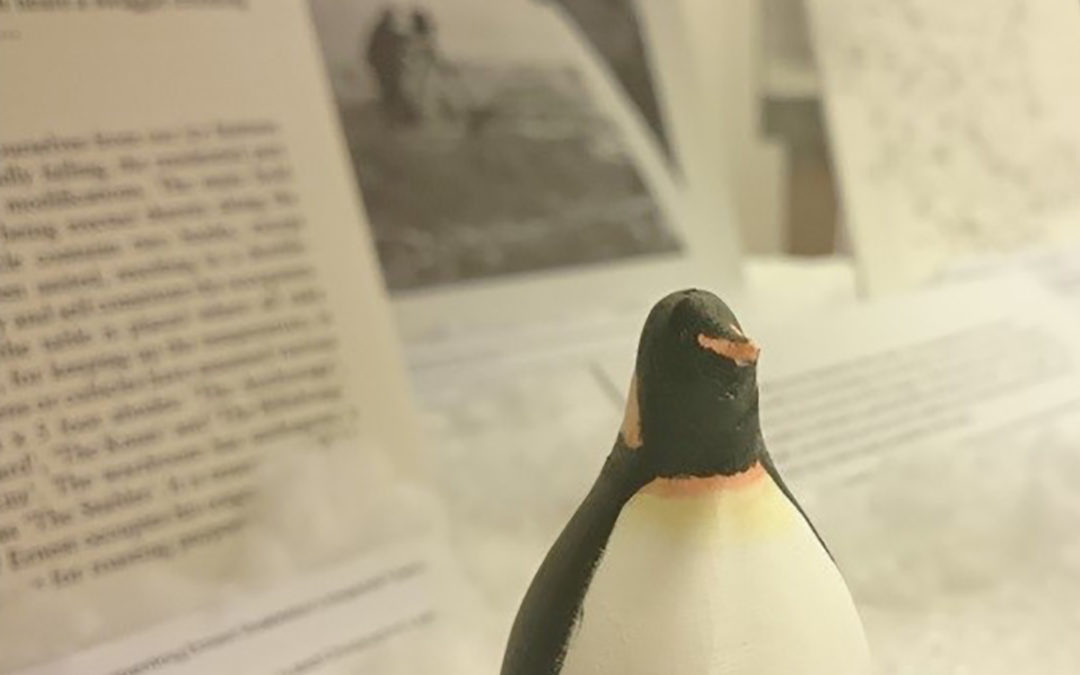
To tie in with this year’s Being Human Festival theme of ‘Lost and Found’, the IHR Library recently installed a new exhibition focused on the four points of the compass and the library’s resources for each geographical area. I was tasked with...
We start this week with David Kynaston’s Till Time’s Last Sand: A History of the Bank of England 1694-2013. Geoffrey Wood reviews a gallant attempt at a history of the Bank for the general reader, but one which misses its target (no. 2200). Next up is...
This week is Being Human, the annual festival of the humanities and the arts – this year on the theme of ‘Lost and Found’. For its contribution, the IHR takes you back to the 1660s, and the loss of Charles II’s warship, The London, which sank in the Thames estuary in...
We kick off this week with John Gaffney’s Leadership and the Labour Party: Narrative and Performance. Christopher Massey believes this book provides vital reading for all interested in Ed Miliband’s leadership of the Labour Party and the development of political...
We begin this week with David Bates’ William the Conqueror. Matthew Bennett and the author debate the extent to which this biography shows sufficient empathy for its subject (no. 2192, with response here). Next up is Common Writing: Essays on Literary Culture...
We use cookies to ensure that we give you the best experience on our website. If you continue to use this site we will assume that you are happy with it.