
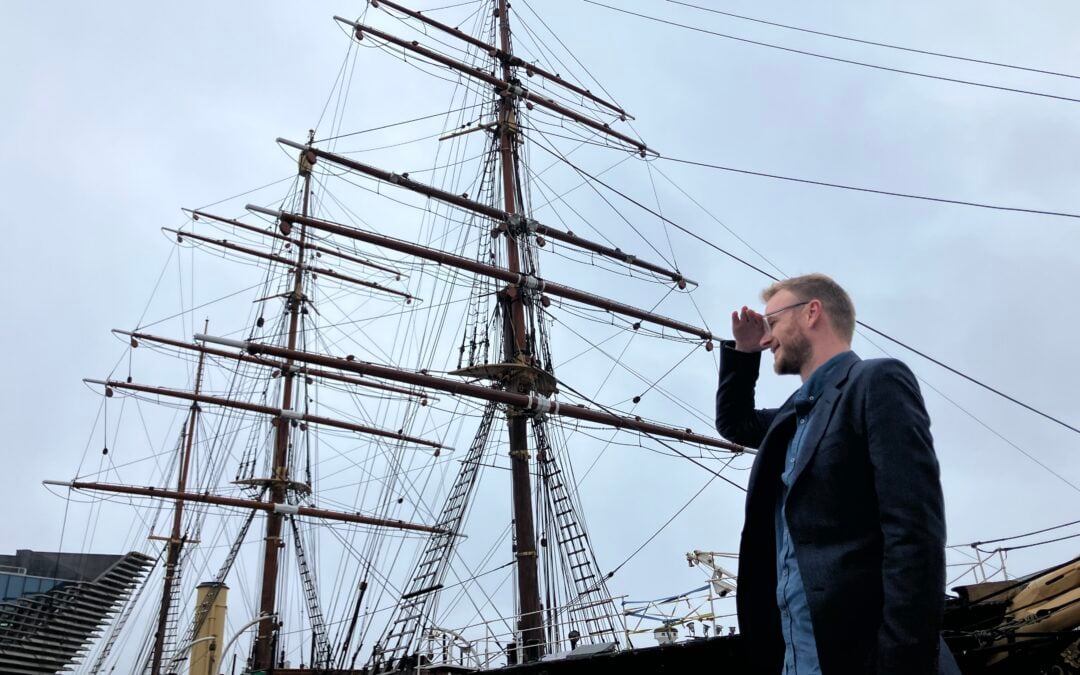
This blog post was written by IHR Fellow Edward Armston-Sheret.
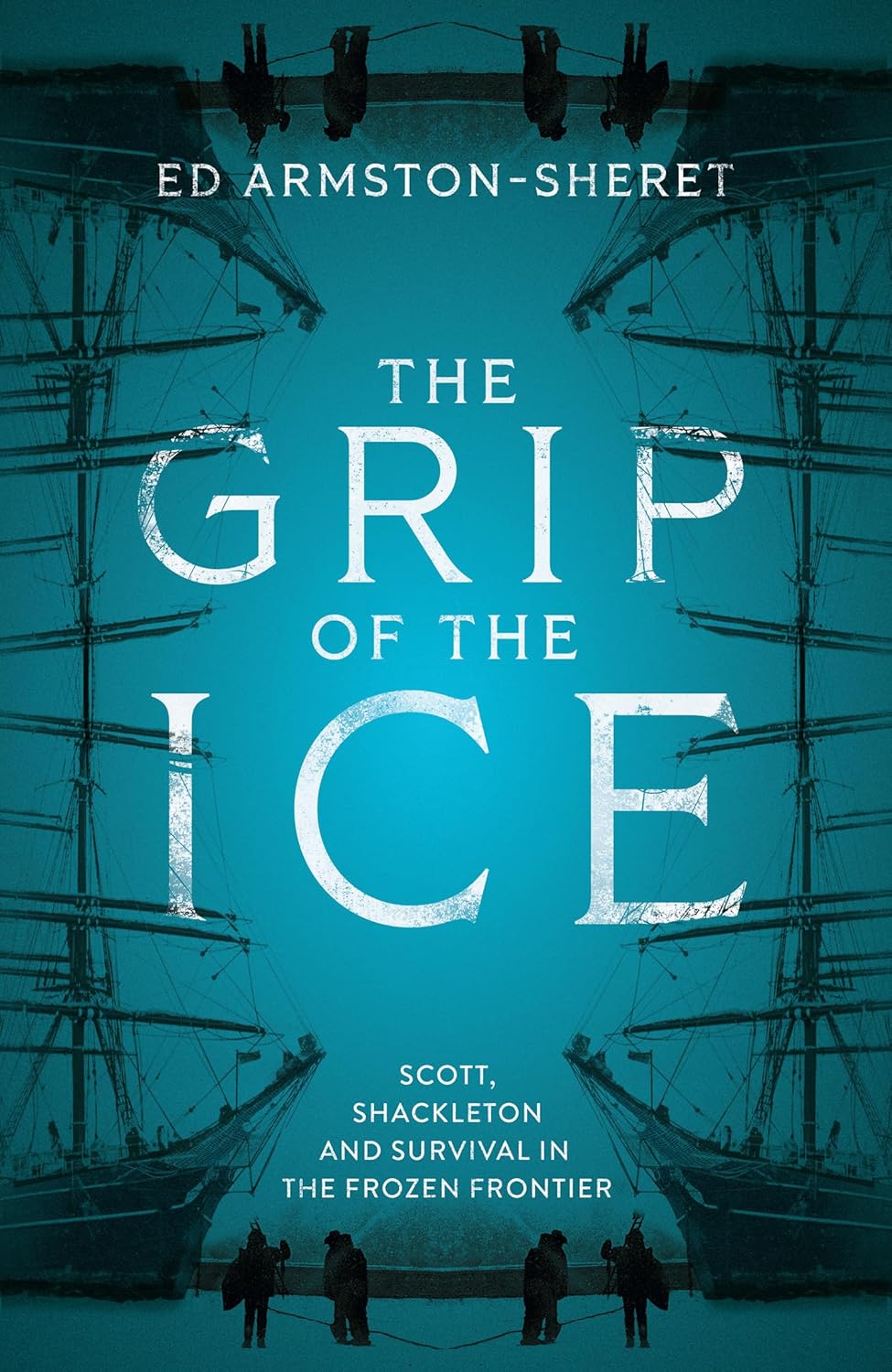
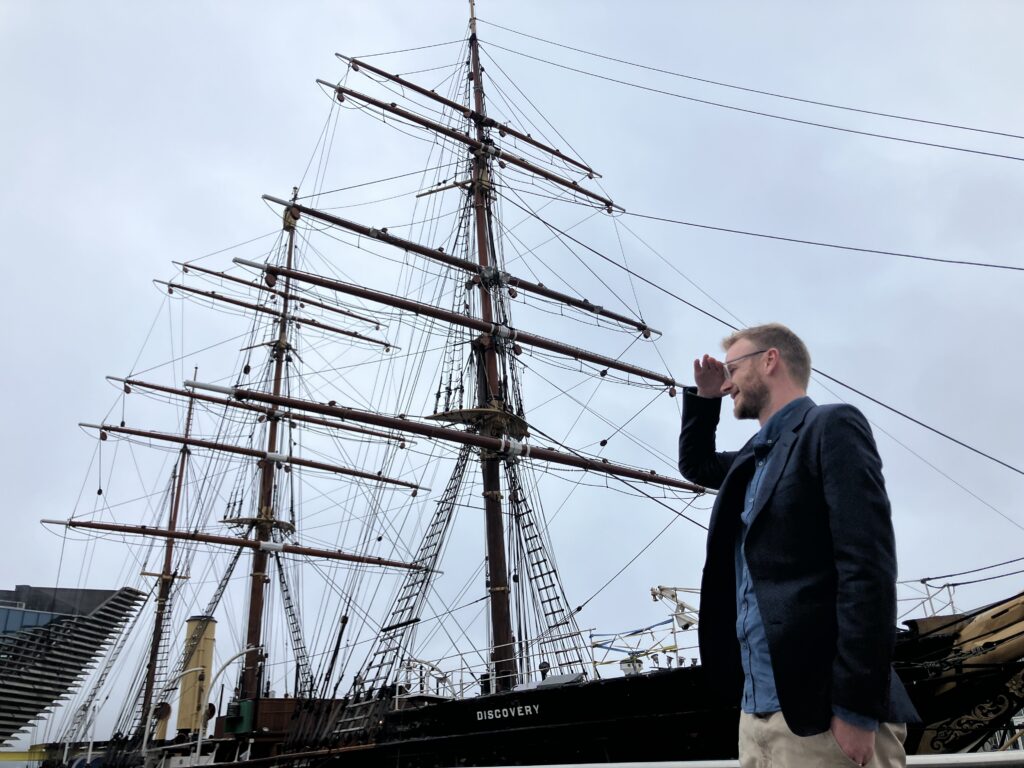
I’ve recently published my first trade history book, The Grip of the Ice: Scott, Shackleton and Survival on the Frozen Frontier. The book tells the story of the British National Antarctic Expedition – commonly called the Discovery expedition. The venture launched the careers of famous explorers Robert Scott and Ernest Shackleton and fired the starting gun on the race to the South Pole. I tell the story of the expedition from the perspective of 14 men involved in it, each chapter focusing on a different person.
Before writing this book, I completed a PhD in historical geography at the University of London and was the Pearsall Fellow in Naval and Maritime History at the IHR. I wanted to share some of the things I’ve learned about writing a trade history book with other members of the IHR community.
- Take advantage of IHR training. The Grip of the Ice came out of an IHR training event on writing a non-fiction book during my Pearsall Naval and Maritime History Fellowship. Before this, I’d only really been looking at academic jobs and postdoc applications. The event opened my eyes to the world of trade publishing and introduced me to Elliot Prior and Gordon Wise from Curtis Brown who became my agents. Without the IHR training, this book would not exist. There’s a similar event coming up next March, which I would thoroughly recommend to anyone interested in making a similar journey.
- Read bestselling books. This was one of the most fun parts of this whole project. I often feel like I should be spending my time reading weighty tomes (and that I already own too many books!). But it was liberating to go down to a local bookshop, browse the shelves, and have a guilt-free splurge. Doing so helped me to understand what other books were doing well in the exploration/maritime history market and, most importantly, why they were succeeding. Reading works like In the Heart of the Sea or The Wager helped me to think about how to capture the key moments of drama and tension during the Discovery expedition.
- Think broadly about what your research is about. In academia, specialism can be a strength, but trade history books generally require a broad subject. Don’t let this faze you. As historians, we can often take for granted how much we do know about the broader historical period we’re studying. Try to step back from your research and ask yourself what broad questions and themes it is addressing and which of these might be interesting to a large audience.
- Storytelling is everything. The biggest adjustment that I had to make in writing a more commercial book was in how I told the explorers’ stories. In my academic writing, I was always keen to communicate my ideas as clearly as possible. But turning my research into a trade history book involved much more work on how the story is told. I had to think far more about what the key moments of drama or tension were. Re-reading The Grip of the Ice before the publication, I found myself wishing I’d been even more attentive to how I told the story.
- Find people who will give you honest feedback. Getting other people to read your work is always good advice. As an author, you’re often too close to your writing and research to see what’s interesting to a reader. It’s probably good to ask someone who isn’t an academic and who doesn’t know too much about the subject of your book. Make sure they’re prepared to honestly say if they don’t understand something or find a section boring. Such feedback is often painful to receive but is, in the long run, invaluable.
Edward Armston-Sheret is a historian and geographer with expertise in 19th- and 20th-century travel and exploration, and a Fellow of the IHR. Since childhood he has been fascinated by the history of exploration, and holds a PhD on the subject from Royal Holloway, University of London.